Composition in Architectural Photography: Lines, Volumes, and Light

Updated: May 23

Composition in the arts
In order to understand composition, we need to focus on three specific arts that we relate to most when practicing architectural photography: architecture, sculpture, and, obviously, photography .
Yes, you read that right: photography has been one of the fine arts since the 19th century.
But what the heck is composition? Well, it's that invisible factor that separates the mediocre from the memorable. Whether we're talking about a building, a sculpture, or a photograph: the way we organize lines, volumes, light, and shadow can change the way we perceive and feel.
Architecture and urban planning: inseparable
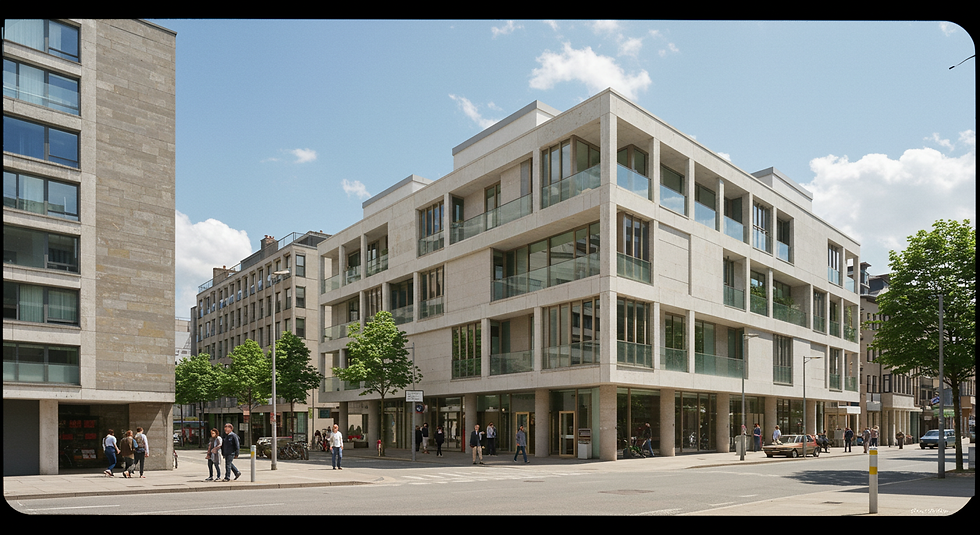
To put architectural photography into practice, we must understand that architecture doesn't exist in isolation from its urban environment . Trying to separate a building from its context is dishonest, because what you exclude undoubtedly influenced its design (and if the architect was good, they took that into account).
Thus, architecture and urban planning go hand in hand . Composition in urban planning determines whether a city flows or becomes chaotic; the same is true in architecture. Both disciplines follow the same rules of composition, which we'll see later.
Sculpture: balance between curves and voids
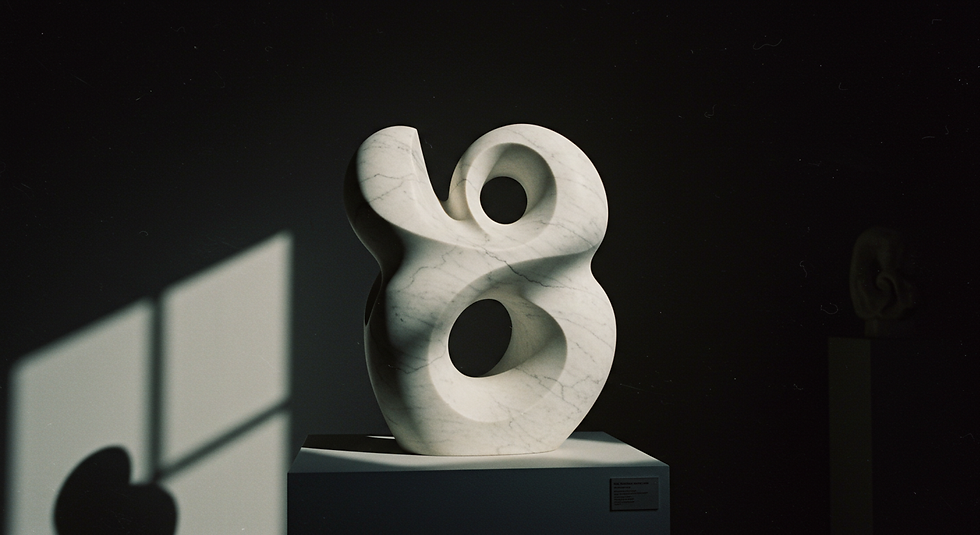
Composition in sculpture is the perfect balance between curves and voids , allowing a piece to interact with light and space. And yes, it also follows the same rules as architecture.
These two disciplines share principles such as symmetry, proportion, rhythm, and hierarchy . Some authors say the difference is that in sculpture, there's no urban context to justify it. Is this true? Let us know your thoughts in the comments.
Photography: composing what is already composed
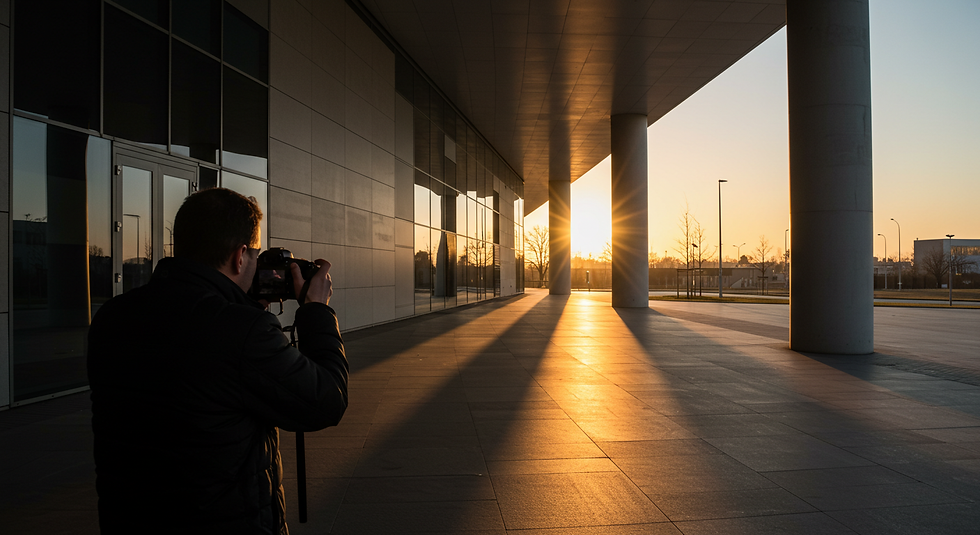
Composition in photography is a way of perceiving a space through the eyes of others . A poorly taken photo can tell a very different story about a building or its surroundings.
But who decides whether a photo is good or bad? The simplest answer is the photo itself . Photographing an east-facing facade at 7 a.m.—with frontal light and almost no shadows (i.e., no volumes)—is not the same as doing so at noon, when the sun casts shadows that create a different visual narrative.
10 rules of composition in architectural photography
We've already seen that architecture and sculpture share composition rules. But do they also apply to photography? Or is there only the famous "rule of thirds" that most YouTube tutorials talk about?
Here I share with you at least 10 rules you can follow to achieve better results:
Rule of thirds: divide the image into 3x3 sections. The strengths are at the intersections. It's enhanced by combining it with other rules.
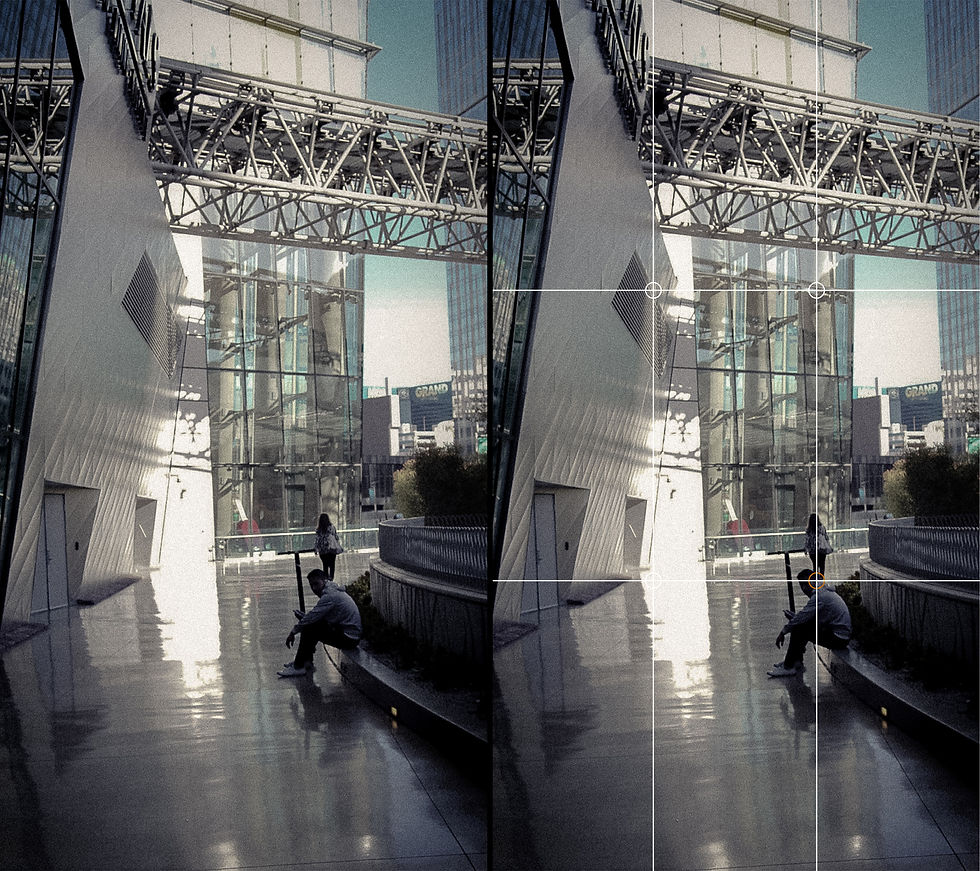
Guide lines: roads, stairs, columns, shadows… are lines that lead the eye towards the main point.

Symmetry: visual balance. It can be perfect, approximate, or deliberately broken.

Natural framing: Use elements of the environment (windows, openings, arches) to frame the scene.
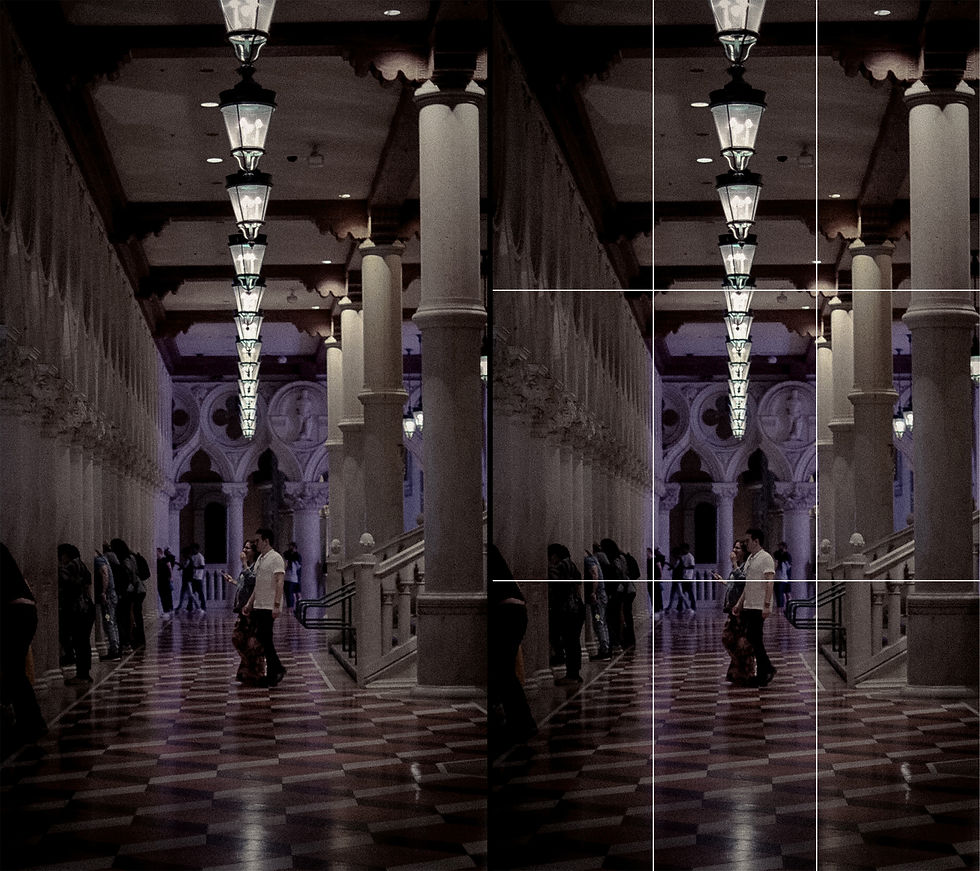
Space rule: Most common with people, but in architecture it helps show how the user moves and how they relate to the scale of the building and its surroundings.
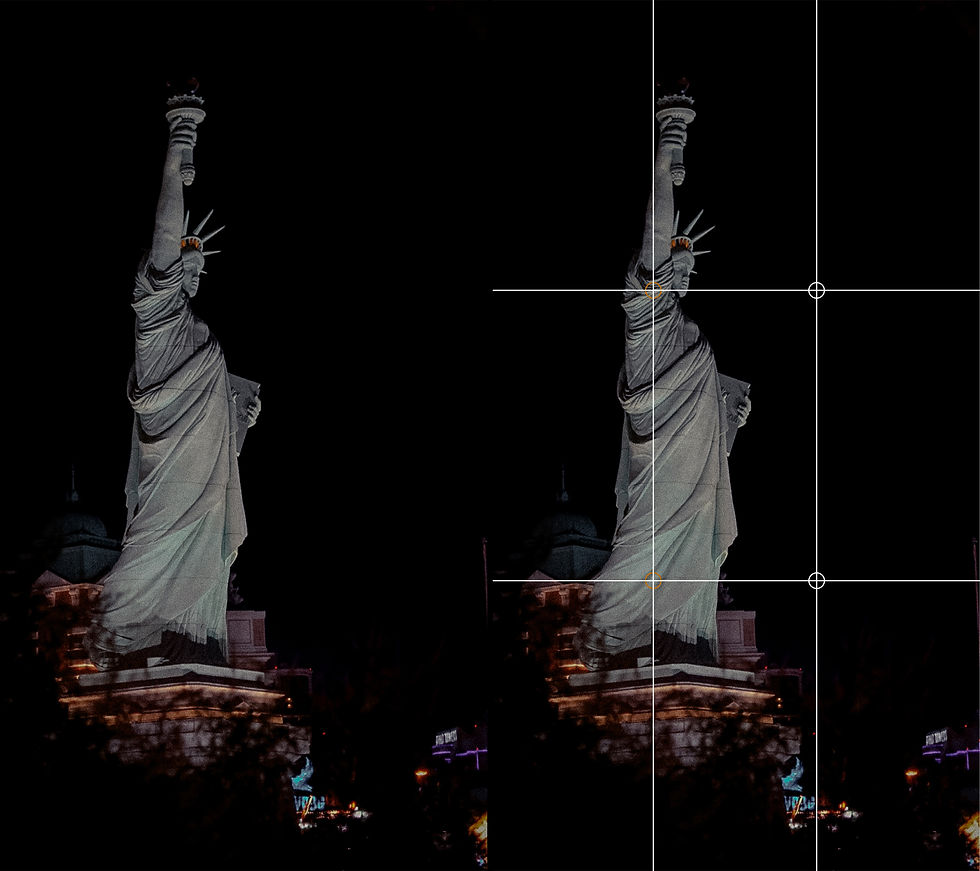
Perspective and vanishing point: Pay attention to verticality. Correct distortion in editing or look for a higher angle. Perspective builds the building's narrative.

Rhythm: repetition of elements (lines, shapes, textures, volumes, shadows). It can be simple, altered, or progressive.
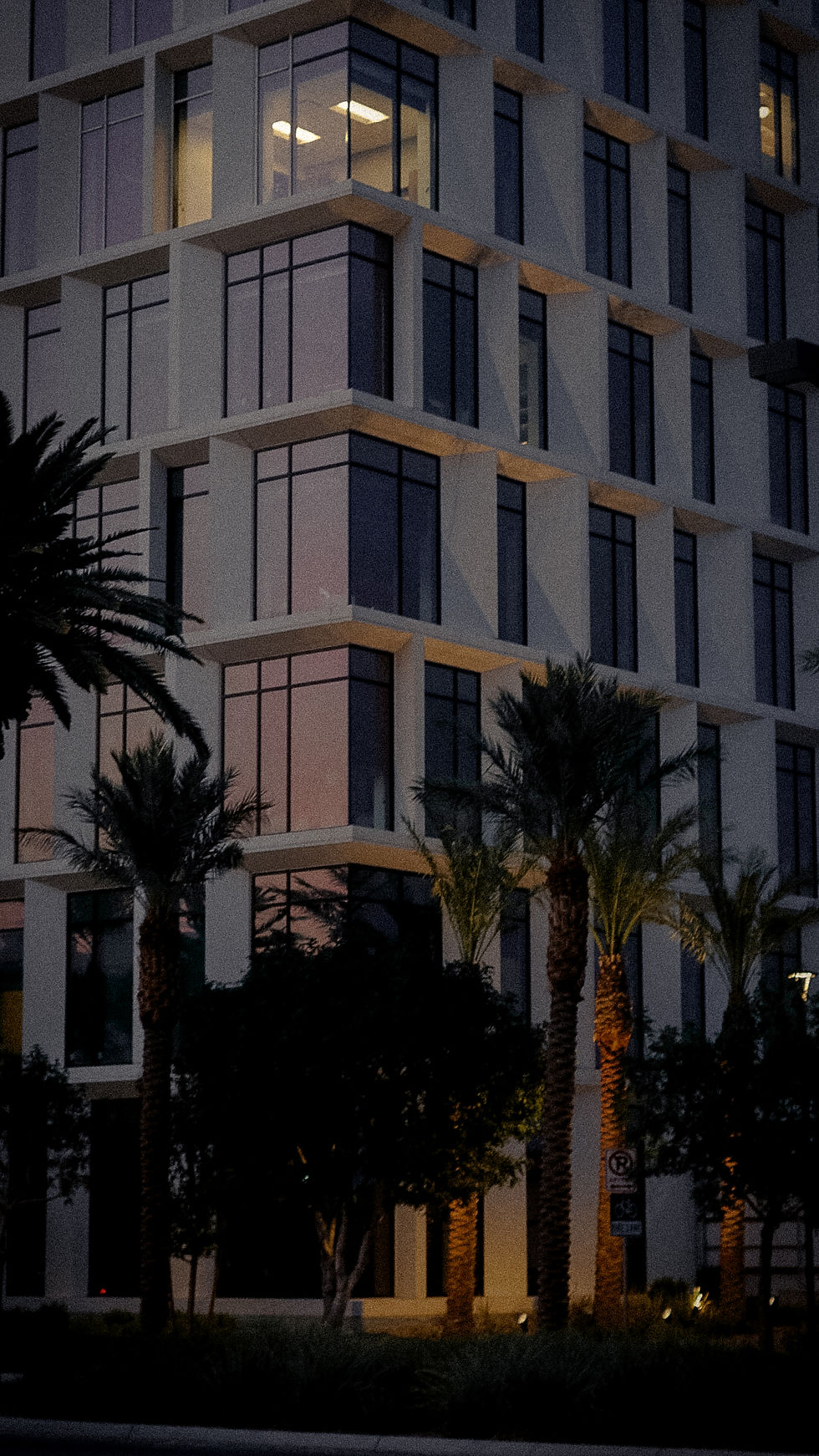
Contrast rule: Light builds the photo. Strong contrast → drama; soft contrast → calm.
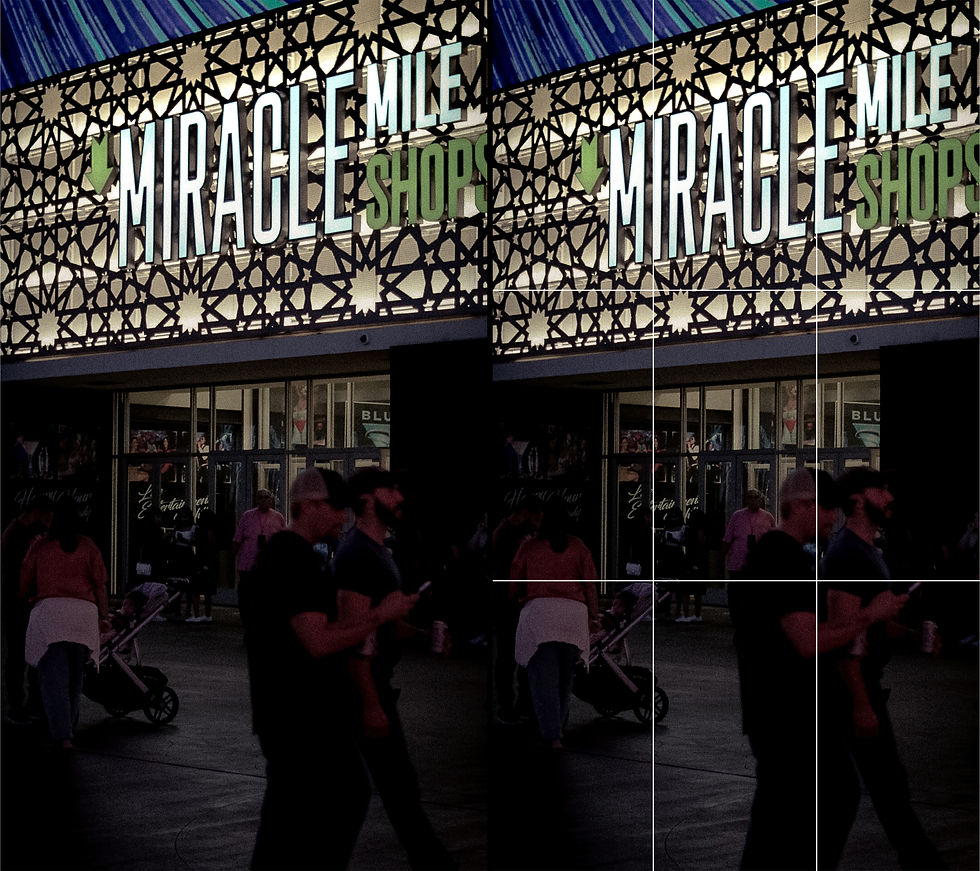
Scale and proportion: Help convey whether a space is monumental, intimate, or somewhere in between. This is best seen in close-up shots.
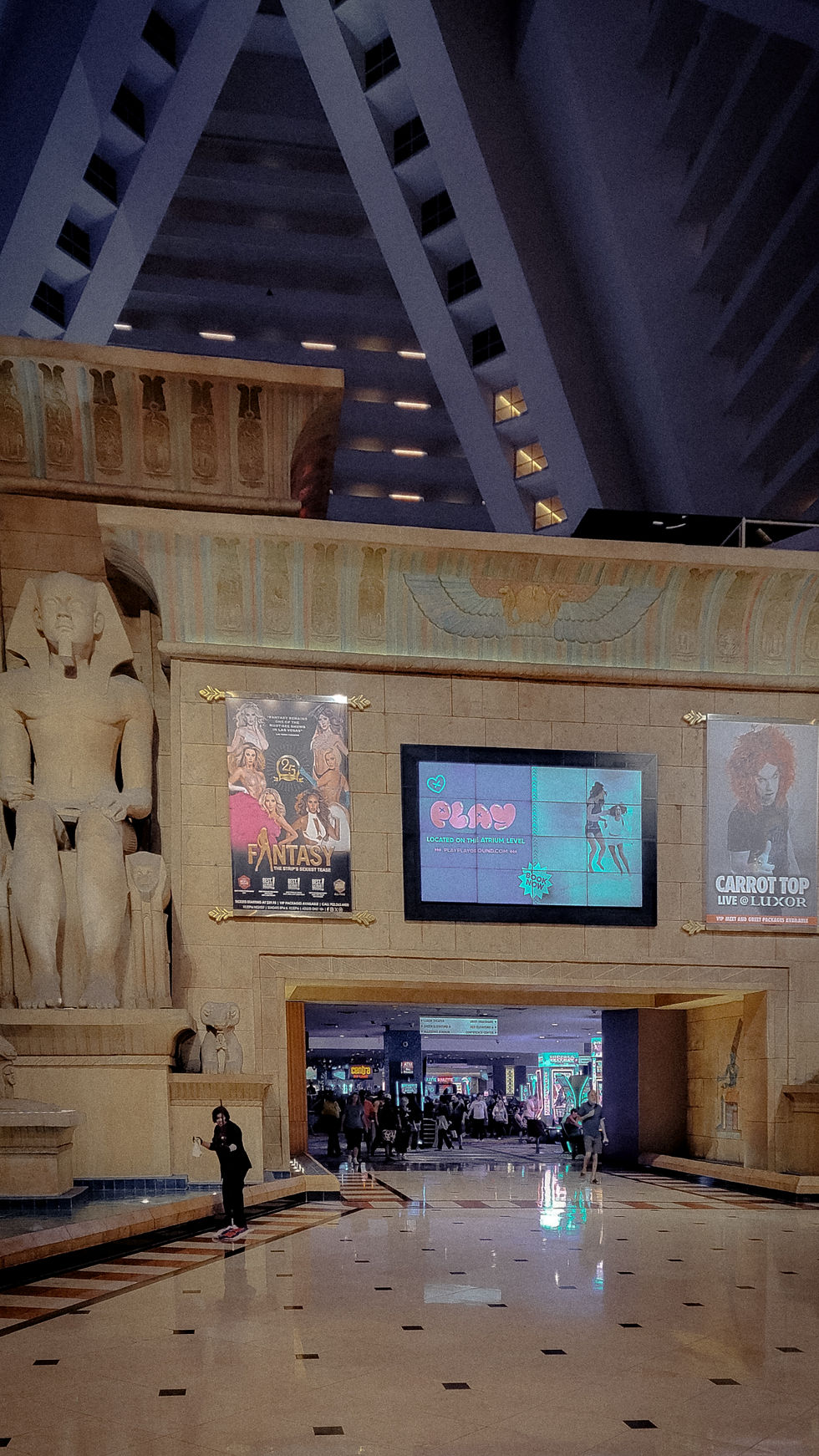
Negative space: everything that isn't the subject. This void provides respite, frames, and balances the composition.
In conclusion
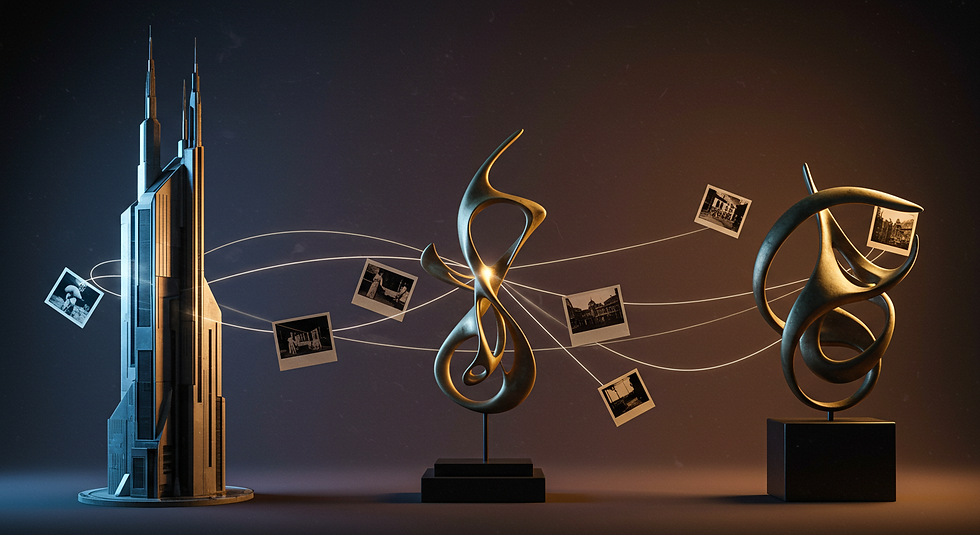
Composition is the thread that unites architecture, sculpture, and photography . It is not an aesthetic detail, but a universal language that defines how we perceive, use, and remember a space.
And if this post made you see the photo (or the building) in a different light, share it with someone who loves both architecture and the click of a shutter.


Comments