Light and Shadow: The Soul of Architectural Photography

Updated: May 23
Light and shadow: the soul of photography and architecture.

Let's begin with a saying attributed to Ezra Stoller : "Light builds and shadow reveals."
If you want your architectural photographs to evoke emotions, it's essential to understand what triggers them and what kind of emotions you're aiming for. It's important to grasp that photography begins with light (natural or artificial). In architecture, light lends character: it's an invisible building material. Louis Kahn said, "Light is the generator of all form."
Now let's clarify the emotions associated with each type of light:
1. Soft (diffused) light

Cloudy days are perfect for this type of light, although it can also be achieved through reflections. You can create volumetric effects with soft shadows. Some might say it creates a cinematic and somewhat mysterious atmosphere, but in reality, this light is very useful for highlighting certain architectural styles and genres. Museums are one of the most favored genres, and the style that most frequently uses this light is minimalism.
2. Hard (direct) light

Sunny days or undiffused lighting. This technique is generally used for buildings with very defined geometries. One side of the building is usually illuminated to accentuate the shadows. It could be said to create a tense atmosphere. It is frequently used when photographing brutalist or industrial buildings.
3. Golden light (sunrise or sunset)

It's a very warm light, I'd even say "homey"; some describe it as melancholic. Along with soft lighting, it's also considered cinematic. It's used to "humanize" or make buildings with cold architecture feel welcoming, and I'm not referring to the temperature, but to the materials or shapes. It gives a feeling of comfort or warmth, highlighting textures and materials.
4. Blue light (blue hour)
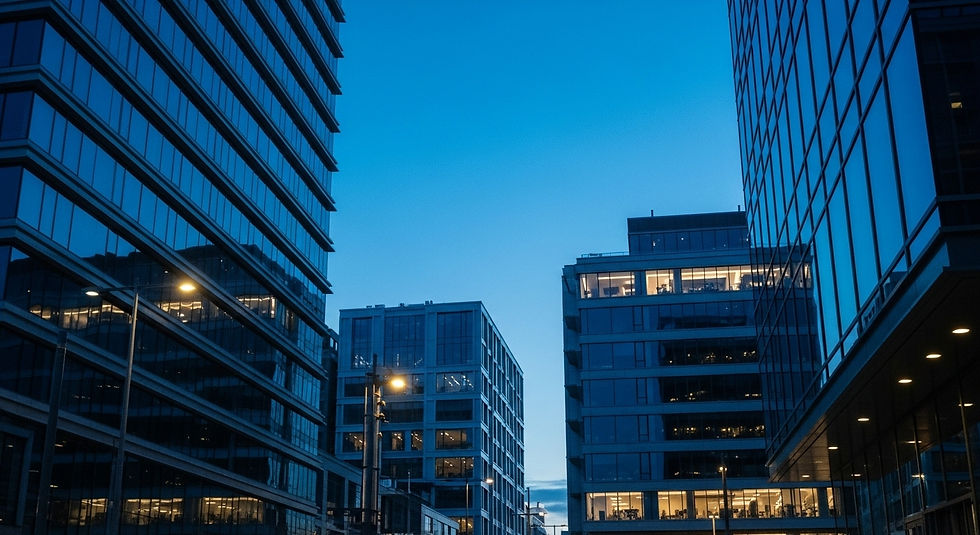
A moment just after the golden hour of sunset, when light is still perceptible. It's perfect for showcasing urban settings with soft light that, at the same time, allows you to appreciate the artificial street lighting without it stealing the show. It's often used for photographing modern architecture.
5. Artificial light

It shows how the building transforms and "comes alive" in the darkness of night. It's widely used for public spaces like hotels and entertainment centers... for me, it's more focused on urban design and interiors.
The shadow

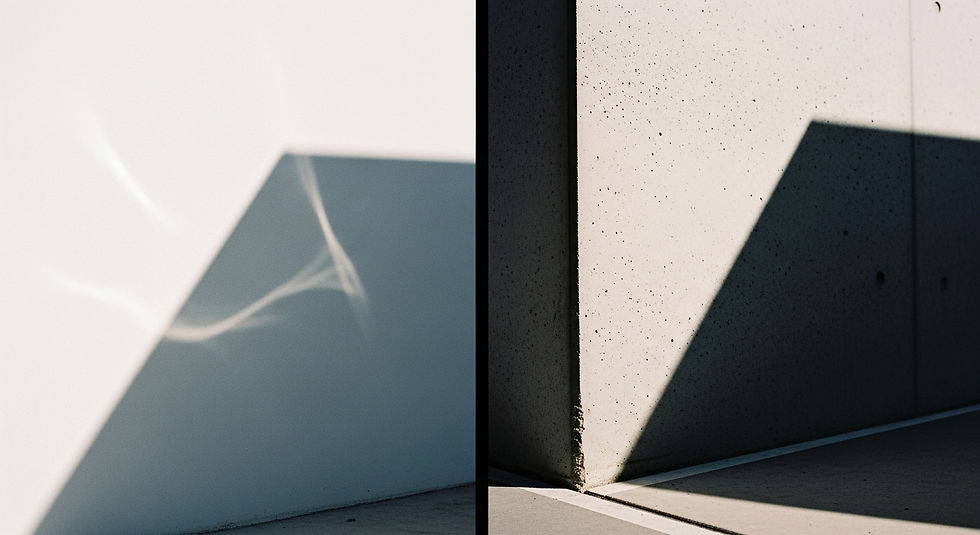
A simplistic definition would be "the absence of light," and that's true... but why is it simplistic? Because without it, we would have flat elements. With shadow, we obtain volume, depth, and visual rhythm; moreover, it can generate drama, especially when it is intense.
Ezra Stoller , one of the masters of modern photography, knew that a shadow could say more than a wall. Iwan Baan, on the other hand, uses it as a narrative pause, to highlight the human interaction with space.
A soft shadow can make you feel calm; a harsh shadow can scream power, weight, or austerity; and a well-placed shadow can turn an insignificant facade into an unforgettable image.
When is the best time to photograph architecture?
Personally, I'd say whenever you feel like it. Why? Because there are no better results than those achieved with intention and purpose. There's no such thing as the perfect moment if you don't know what you're looking for or what you want to project with your photos.
If you want some advice, here it is:

Dawn: low sun, soft shadows, warm light. Ideal for capturing calm, serenity, and balance.
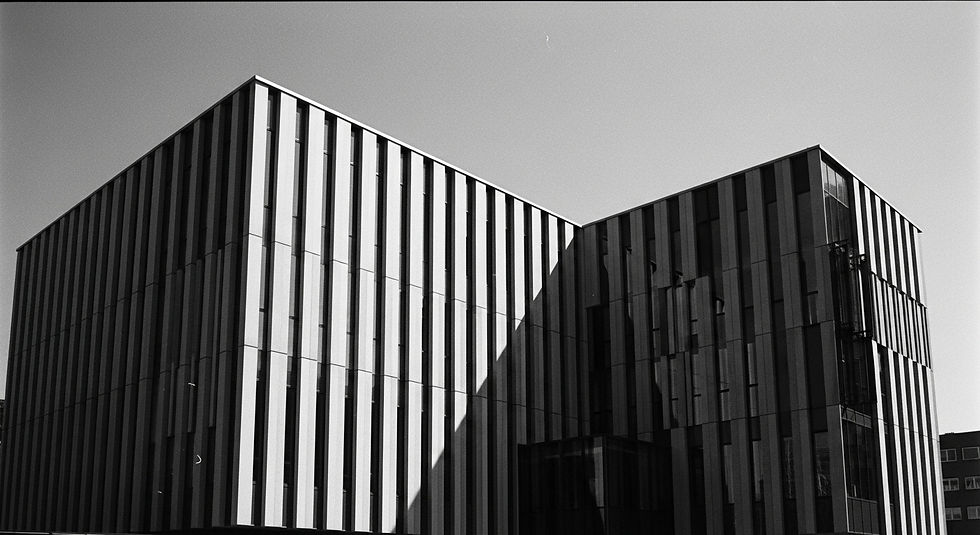
Midday: it's not for everyone or everything. Harsh light, few nuances, very defined shadows. It doesn't suit all styles and is usually best appreciated in black and white.

Sunset and blue hour: the dynamic duo, like Batman and Robin. First, warmth and soft shadows; then, the contrast of blue light with artificial lighting.
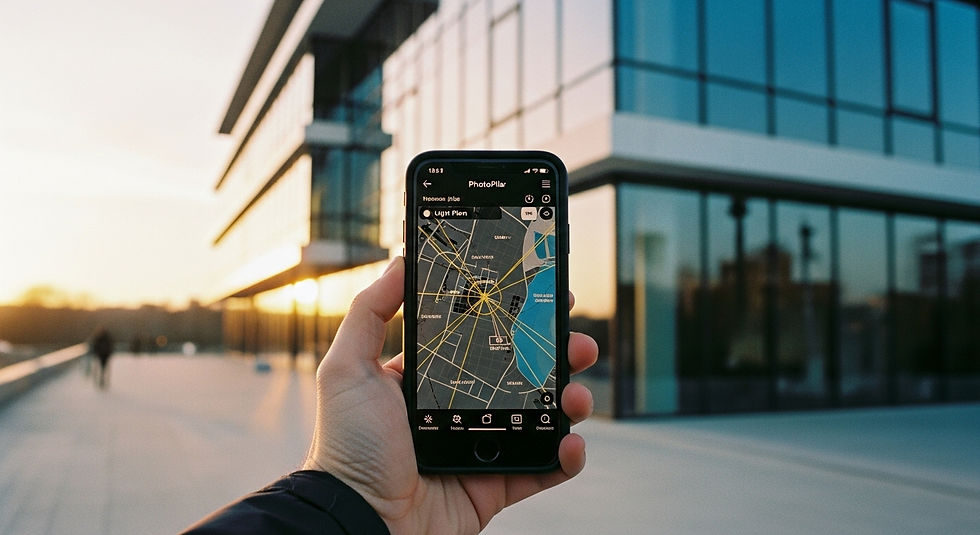
Fun fact: Many photographers use digital tools to plan their shoots. This helps them find the best angles with perfect lighting to communicate their message. One such tool is PhotoPills , where you can see the sun's position and the exact time it illuminates the element you want to highlight. This isn't an endorsement, but the app is fantastic (though there are many others).
In conclusion

Each type of light awakens different sensations:
Warm: nostalgia, comfort, intimacy.
Cold: technology, distance, modernity.
Soft: harmony, purity, silence.
Dura: strength, contrast, drama.
In architectural photography, choosing the light is choosing the emotion . If you understand this, you can find the best light for the building you want to photograph.


Comments