Gentrification: A Different Approach

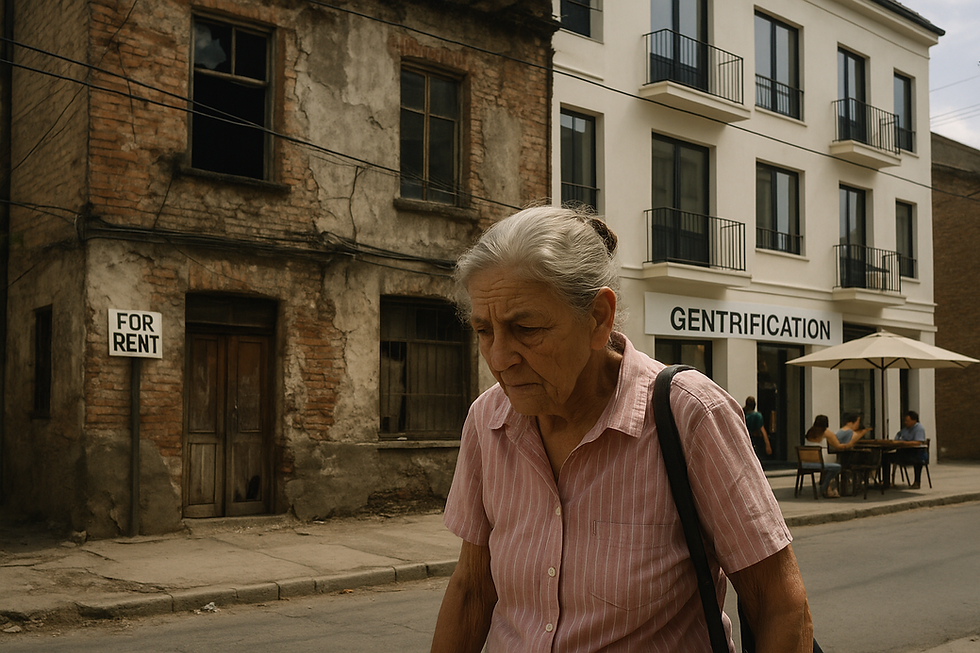
Gentrification is an urban process in which working-class neighborhoods are occupied by higher-income people , causing physical transformation, rising prices, and the displacement of their original inhabitants. It not only involves foreigners: nationals with greater purchasing power also participate.
The term was coined by sociologist Ruth Glass in 1964, after observing how working-class neighborhoods in London were being occupied by the middle classes, transforming their social and economic structure.
When did it start in CDMX?
Between 2000 and 2006, a project was launched to repopulate the Historic Center with affordable housing. Regulations were relaxed, tax incentives were offered, and land-use changes were facilitated. The intention was good: to convert abandoned buildings into decent homes for working-class residents.
But the lack of public oversight opened the door to real estate speculation. Investors took advantage of the profits to build upper-middle-class housing, hotels, and short-term rentals, displacing the original social purpose.
Thus began a profound transformation: prices rose, land became more expensive, and entire communities were displaced, driven out by legal evictions or intimidation.
Economic effects
Positives:
Increase in real estate values (actually a real estate bubble).
Improvement of services and infrastructure (in areas with investment).
More tax revenue.
Negatives:
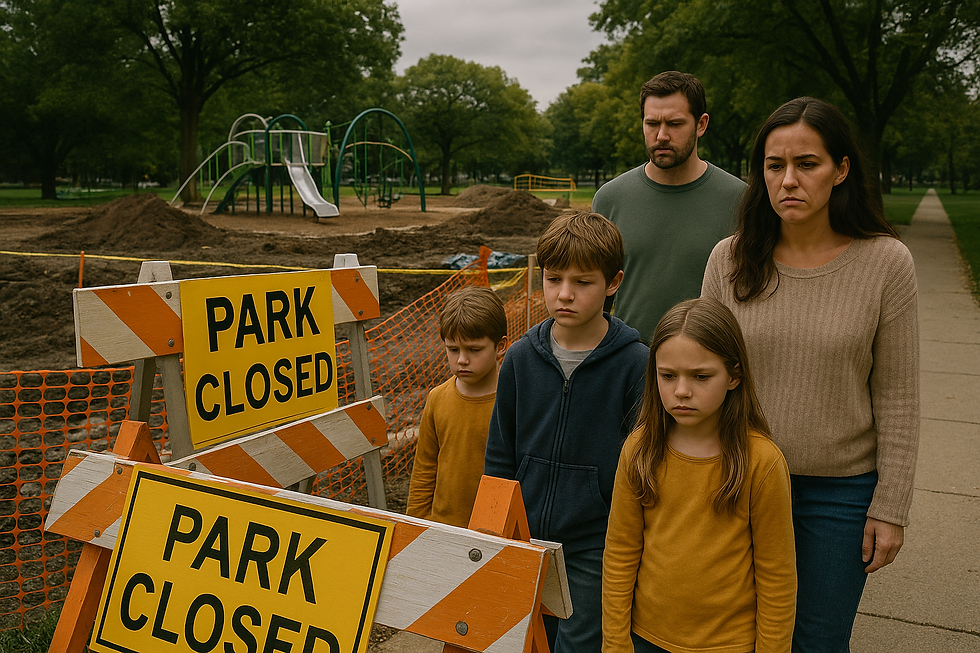
Expulsion of original residents.
Loss of neighborhood and cultural identity.
Increase in the cost of living.
Fragmentation of the social fabric.
How many homes does Mexico City need?
According to INEGI, between 35,000 and 45,000 new homes are needed each year, but fewer than 30,000 are built, and many are for investment, not for habitation.
Can the city absorb that amount? Not without planning.
Although there is room to build, the infrastructure is stretched to its limits:
40% of drinking water is lost through leaks.
The drainage system is over 60 years old and is working at its maximum capacity.
The electrical system is overloaded.
Public transport is overcrowded.
12,500 tons of garbage are collected every day.
Building without investment in basic services only exacerbates inequality.
And Airbnb?
Apps like Airbnb reduce the supply of long-term rental housing and artificially increase prices, especially in tourist-value neighborhoods.
Although Mexico City has more than 17,000 active properties on the platform, there is no mandatory regulation yet. Meanwhile, cities like Barcelona, Paris, New York, and Vancouver have implemented strict laws to protect the right to housing.
Barcelona
Complete ban on new rentals from 2021.
Private rooms are not permitted for rentals of less than 31 days.
Fines of up to 60,000 euros.
Registration required. More than 2,000 ads removed.
Paris
Maximum 120 days per year for tourist rentals.
Mandatory registration.
Second homes cannot be rented without a license.
Fines of more than 1.3 million euros per year.
Amsterdam
Prohibited in some central neighborhoods.
Registration, licensing and mandatory notification.
Limit: 30 nights per year, maximum 4 people.
Vancouver
Only the main residence may be rented.
Mandatory registration and number visible in the advertisement.
Ads without registration are removed.
New York
From 2023, almost total restrictions.
Renting is only allowed if the host lives there and is present during the stay.
Maximum 2 guests at a time.
Mexico City
More than 17,000 active properties, more than 60% owned by multiple operators.
So far, there are no mandatory measures.
A law is being drafted to:
Limit rental days per year.
Restrict number of properties per host.
Establish taxes for tourist use.
In 2022, an agreement was signed with Airbnb and UNESCO to promote "creative tourism," but it did not include clear rules or limits.
Centralization: another big problem
Most formal employment and quality services are concentrated in just four municipalities (Cuauhtémoc, Miguel Hidalgo, Benito Juárez, and Álvaro Obregón). This results in:
Long daily commutes (2–4 hours).
Public transport collapse.
Territorial inequality.
Urban segregation, which often paves the way for gentrification.
To do?
Develop decentralized economic hubs.
Promote affordable housing with services, not just cheap houses far from everything.
Invest in efficient public transport.
Create real metropolitan planning, not one isolated by mayoralties.
Gentrification isn't just a neighborhood "that got nice." It's a symptom of urban inequality: when the market rules and the state doesn't regulate, the right to the city becomes a privilege.
Are you interested in this type of analysis? Comment, share, or follow us on Instagram. You can also suggest topics for analysis from an architectural and social perspective.


Comments